


IT security is a major pain point for all businesses in all industries. Is your organization doing a good enough job at keeping your data safe? The reality of the situation is that the majority of threats make it through the tiniest of vulnerabilities, even those that seem to be benign. By understanding a concept called the 80/20 rule, you might be able to better address your business’s network security weaknesses.
Global Tech Solutions Blog
When someone asks you to troubleshoot a problem, it’s because there is something that is preventing their solutions from working properly, which they need them to do. In business, this happens all the time. This is why every business provides some semblance of support with their product or service. What happens, however, when the act of troubleshooting makes something worse. One security analyst came across this problem in an unlikely place: Microsoft’s newest desktop operating systems, Windows 10.
It goes without saying that having to rely on a pacemaker isn’t an ideal circumstance for anyone, even considering that the device allows the patient to continue living a fulfilling life. This is why a particular discovery of a European-based research team becomes a shade or two darker: the team has concluded that it’s possible for a novice to send life-threatening signals to the device.
Passwords are a critical security component of any online account. In many cases, they’re the fine line of defense against the horde of threats that exist on the Internet. The problem that many users have with passwords, however, is that good passwords are difficult to remember, and on their own, aren’t necessarily the most secure option. So, how can you make passwords both easier to use and more secure?
There are benefits to being a small business. Being small provides all sorts of flexibility, including the ability to make decisions quickly and without having to go through so many hoops. Plus, you have a smaller workforce, which makes for a more personal experience. However, this also leads to a rather unfortunate side-effect of believing that you’re immune to being hacked.
USB is a popular technology in all modes of today’s society. You’d be hard-pressed to find a modern piece of technology that’s not compatible in some way, shape or form with USB. Thumb drives, chargers, and even portable drives all use this common technology. However, this also means that hackers can take advantage of its popularity to spread malware and other problems.
Has this ever happened to you? You come across a free app online that seems interesting, entertaining, or helpful so you decide to download it? However, as soon as you click the download button you regret it as it begins to install browser toolbars, adware, and other annoying (and potentially dangerous) software onto your device? How can you keep this “crapware” from getting too out of hand, and why is it so popular in the first place?
Halloween is a time when we celebrate what scares us, like ghosts, goblins, ghouls, and the like. For adults, the holiday becomes more lighthearted with each passing year, due to the understanding that such monsters are fictional. Yet, there exists real monsters who know how to play on people’s fears, namely, hackers.
Security is one of the most important parts of running a business, especially today when organizations rely so heavily on their technology solutions. Some of the most dangerous threats lurk on a business’s network, watching and waiting for an opportunity to do some real damage. With the right preventative measures, your business can catch these threats in the act before they can accomplish their goals.
In response to the increasing danger of cyber attacks against computerized cars that are currently in production, Volkswagen has partnered up with three Israeli experts in cybersecurity to form a brand new cybersecurity company dedicated to designing solutions intended to protect such advanced cars and their passengers.
Disasters are an unfortunate part of doing business in a technology-heavy workplace environment. You need to expect the worst, but it’s often difficult to predict what types of disasters your organization will have to endure. There are a few universal disasters that you’ll encounter, regardless of where in the world your business operates.
Windows is perhaps the most widely-used computing tool in the workplace, and as such, it remains a huge target for hackers of all kinds. Criminals are always trying to uncover vulnerabilities in the operating system, but this time around, Microsoft has truly outdone themselves. Windows 10’s built-in security, according to hackers at the Black Hat conference in Las Vegas, allows for the most secure Windows operating system in several years.
Security professionals have been at war with hackers ever since the Internet was created, but a recent NATO decision has affirmed the fact that cybersecurity is a real-world problem, and one that needs to be fixed. Just like land, air, and sea, cyberspace has become a battlefield, albeit a very different kind of battlefield.
Augmented reality is a growing trend in the technology industry, and perhaps one of the best known uses of it today can be found in the extremely popular mobile device app, Pokemon Go. However, hackers have seized the opportunity to infect players who want to “catch ‘em all” with a backdoor called DroidJack - something that certainly won’t help gamers “be the very best.”
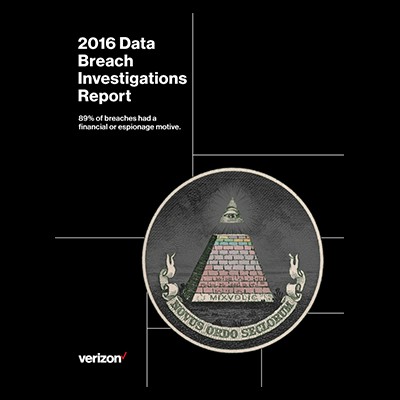
Verizon has taken to publishing a compilation report analyzing data breach statistics with the help of industry partners, a report that is widely regarded as a must-read for the industry. A brief review of the latest edition’s executive summary revealed where information security vulnerabilities lie in industries worldwide and, even more helpfully, what shape those vulnerabilities took. The Data Breach Investigations Report, or DBIR, pulled no punches in outlining what kind of attacks happened in the past year, and how.
It’s important that your business uses the most recent version of any operating systems and software solutions used by your workforce, but Internet Explorer “fans” have had a rough start to 2016. Nearly a quarter of all Windows PCs are still using unsupported versions of Internet Explorer, half of which are still running Windows XP.