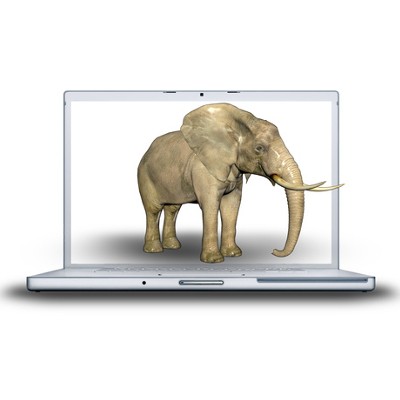



It seems like everywhere you go, you can see a Chromebook. These specialty laptops have a few features that make them highly desirable in some circumstances, and poorly suited to others. Seeing as ‘Chromebook’ is our Tech Term for this week, why not take a few moments and examine them a little closer?

Global Tech Solutions Blog
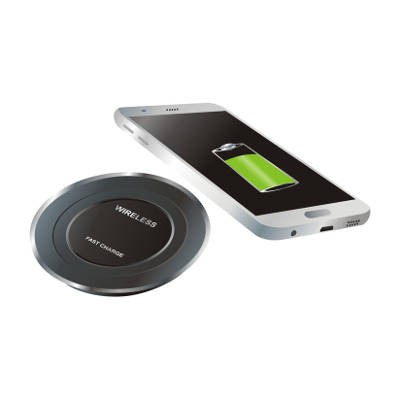
Wireless charging is a challenging technology. While the benefits are clear as day (imagine, only having the one cord to supply power to the charger itself!), the concept has yet to see the mass implementation and adoption one would expect it to. Today, we’ll look at this underperforming technology’s history, a few applications that could be seen in the future, and the holdups it is seeing currently.
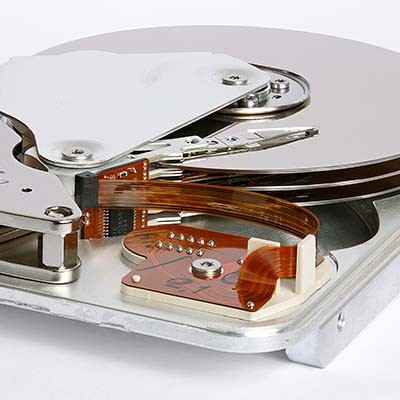
Most computer users know of the hard drive, but how many actually know what it does? Depending on who you ask, you’ll get different degrees of answers. It’s rare that you’ll encounter the ordinary person who knows what the hard drive is, as well as how it works or what it does. This week’s tech term is the hard drive, so let’s dig in.
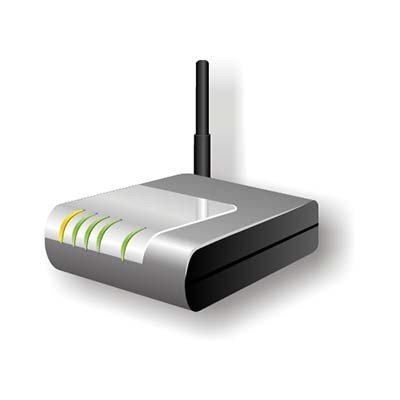
The more that people depend on mobile devices and portable computers to get work done, the more businesses have to consider how to manage their organization’s wireless network. The router is the piece of hardware that makes the wireless network possible. Today, we will talk a little bit about the router and how its configuration can dictate the strength, reliability, and security of your business’ wireless network.
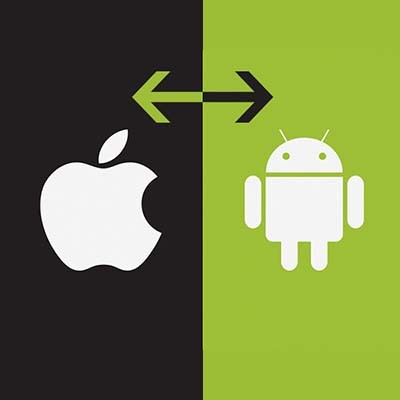
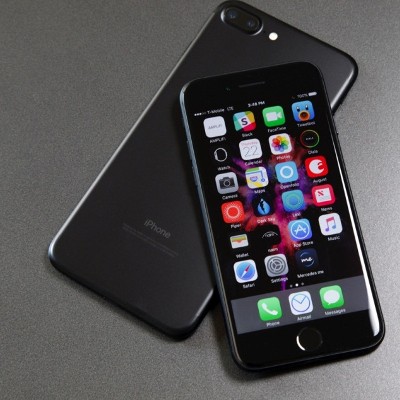
Learning how to use a new technology can sometimes be troubling. If you’ve been a dedicated Apple customer throughout the years, but are considering switching allegiances to Android, you should know that simple differences between the two platforms can end up disorienting. Here are a few things you have to know when switching away from the iPhone.
2017 was filled with security issues ranging from threats and small attacks to major security breaches. You can learn a lot from the misfortunes of other ill-prepared organizations about how to prepare for and handle cybersecurity issues. This week’s tip is dedicated to learning a bit from some of the security problems that may have flown over your radar last year.
Spyware, like other malware, is a problem for any organization. Since your business generates, collects, and uses considerable amounts of data, there are plenty of organizations that want to get their hands on it. You spend so much time and money protecting your data against threats on the Internet, but what if the spyware were to just come standard on the computer you just bought?
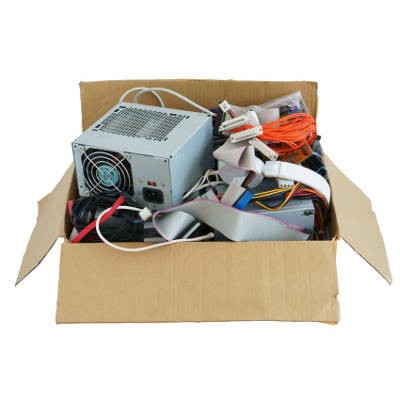
Technology has become more commonplace in offices and homes all around the world, and you might find yourself replacing it more often than previously thought. This leads to an awful lot of waste that can accumulate in your office, be it an extra smartphone, desktop, or something as simple as a random, non-functional hard drive. However, getting rid of your old, unnecessary tech isn’t as simple as throwing paper into a recycling bin, and it shows in the amount of e-waste that infects the world every day.
Mobile devices have become a staple in the modern workplace. You’d be hard-pressed to find a business that doesn’t utilize smartphones or tablets in some way. However, mobile devices will never be truly mobile while they need to be tethered to wires plugged into outlets or USB cables due to batteries losing their charges. An innovation called wireless charging has attempted to shake this concept up, but has it proven successful? Just what is wireless charging, anyway?
Collaboration is a key part of business today, which has led to many developers and providers entering the business of collaboration. These developers are in deep competition with each other, each trying to update their offering to be better than the others’. Recently, Facebook Workplace, Slack, and Google’s Gmail each received collaboration-boosting updates.
Technology is a necessity for businesses everywhere if they are to reach their goals, which are themselves influenced by the technology that businesses have access to. If this cycle is to continue, a business needs to establish what is expected to come next in the line of IT innovation. From the looks of it, businesses are currently placing convenience in high regard.
It’s that time of the year again--the holiday season. Filled with lots of gift giving and sharing, you’ll want only the best and brightest smartphone on the market to ensure that you can keep in touch with friends, family, and even your clients should an emergency drag you back to the office suddenly. We’ll break down the specs of each major smartphone on the market so that you can make an educated decision about which one you would like to buy.
Vince Lombardi, one of the most successful head coaches in NFL history, once said “If you are five minutes early, you are already ten minutes late.” Although it wasn’t its intended use, this quotation can easily apply to technology. The tech industry is constantly changing, improving, and innovating. Adapting to changes is something all businesses must do to thrive, small and medium businesses included.
Does your business use Google’s line of Android devices for business purposes? Well, you might be happy to hear about Google’s new zero-touch solution for enterprises for their Pixel line of smartphones. If you provide smartphones for your business’ employees, you know how much of a hassle it is to set up these devices. This new zero-touch policy attempts to make a change to this.
It seems hard to believe that the smartphone has been around for over a decade. When Apple rolled out the first iPhone in 2007, it triggered a momentous shift in the way people access information. Over the past 10 years these devices have gone from somewhat of a novelty to a staple of modern computing. More data is transmitted and accessed by smartphone than by any other means, and Apple has been at the forefront of this computing shift from its inception.
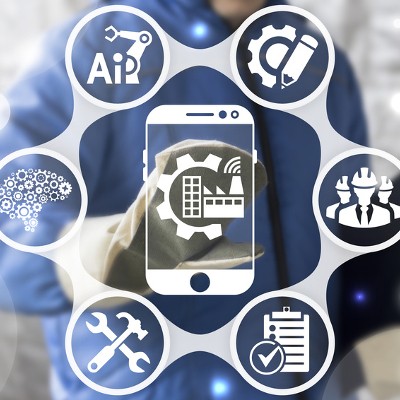
Businesses can benefit from the use of personal mobile devices in the workplace, yet there are also potential dangers in allowing mobile and Internet of Things devices to access your network. In order to reduce these dangers, you need to put some limits and guidelines on the use of such devices in the workplace.